


Throughput stability
Less fluctuation in feed and discharge means fewer “chain reactions” in crushers and mills.

In ore beneficiation, screening is rarely “just a supporting step”. It directly impacts grinding load, recovery rate, and final concentrate stability. A well-chosen vibrating screen can reduce recirculating load, stabilize feed grade, and protect downstream equipment from oversize damage. That is precisely where the Y-type vibrating screen—an upgraded design developed by Zhengzhou Kuanglian Machinery Co., Ltd. based on internationally proven screening concepts—shows its value across mining, sand & aggregate, C&D waste recycling, and coal processing.
Below is a practical, decision-oriented look at what makes this screen perform reliably: simple and robust structure, high excitation force, flexible screen replacement, and stable V-belt transmission—with reference data and real-world use outcomes buyers typically care about.
In a typical beneficiation circuit, screening can appear in multiple positions: pre-screening before primary crushing, classification after secondary/tertiary crushing, dewatering after washing, or final product sizing. In each position, buyers tend to measure success by three practical indicators:
Less fluctuation in feed and discharge means fewer “chain reactions” in crushers and mills.
Clean separation reduces misplaced material and improves downstream metallurgy.
Fast screen changes and reliable transmission translate into more productive hours.

Mining and aggregate environments punish equipment: dust, shock loads, and uneven feeding are routine. A screen that depends on “fragile precision” is risky. The Y-type vibrating screen is engineered around a straightforward mechanical layout designed to remain stable under continuous operation.
In comparable screening applications, plants typically target 20–24 operating hours/day and plan shutdown windows weekly or bi-weekly. A simpler structure reduces the probability of cascading failures—especially when the screen is running upstream of crushers or mills.
Screening performance is often decided by whether the screen can keep particles stratifying and moving—especially with wet ore, flaky stone, or high fines. A reinforced vibrator, tuned correctly, helps maintain a consistent throw and prevents “dead zones” where material builds up.
Notes: Ranges above are typical benchmarks observed in screening optimization projects and vary with ore moisture, feed gradation, screen media, and operating parameters.
Buyers often underestimate how quickly changing conditions appear: seasonal moisture, different blasting patterns, recycled aggregates with impurities, or a customer requesting tighter gradation. A screen that supports quicker, simpler screen media replacement helps plants adapt without losing a shift to maintenance.
In many aggregate and mining sites, a well-organized screen media replacement on mid-size vibrating screens can be completed in 1.5–4 hours (depending on deck count, access, and fastening design). If screen changes happen monthly, those hours add up fast—so design details matter.
Transmission stability influences more than energy use; it affects vibration consistency and component life. A stable V-belt drive can help reduce shock loads during start-up and mitigate torque fluctuations.
In field operation, plants commonly report that improved transmission stability supports more predictable bearing temperature behavior and reduces “unexpected stoppages” caused by belt issues—particularly in dusty environments where maintenance discipline varies between shifts.

When screening is unstable, oversize material sneaks through and forces mills to do extra work; alternatively, good material can be sent back for re-crushing. With a properly configured Y-type vibrating screen, plants typically aim for a steadier cut size so crushers and mills can operate closer to their optimal loading. In an iron-ore style crushing-and-screening setup (high hardness, variable moisture), operational teams often target a 10%–20% reduction in recirculating load after screen and media tuning—enough to be noticeable on power draw and wear part consumption.
For commercial aggregate yards, gradation consistency is a “silent KPI”. Contractors may not mention the screen model, but they will complain about out-of-spec material. A high-stability vibrating screen helps maintain consistent product fractions—especially when combined with the right deck configuration and screen media. Many quarries using optimized vibrating screening report 1–3% less out-of-spec product by mass, which directly reduces rehandling and improves order fulfillment speed.
C&D recycling is less forgiving than virgin stone. Mixed input means more fines, stringy contaminants, and irregular particle shapes. A stronger excitation system and flexible screen replacement strategy help plants adapt quickly as the feed changes hour by hour. In practical recycling lines, operators often aim to lift usable aggregate yield by 5%–15% through better screening and separation steps, depending on the incoming waste profile and pre-sorting quality.
Coal operations care about continuous duty, manageable dust, and stable sizing for transport and downstream use. A screen that maintains consistent vibration and offers predictable maintenance scheduling supports safer operations and steadier output. In coal sizing applications, maintenance teams often measure improvement by reduced belt-related interventions and fewer emergency stops—benefits that are difficult to “sell” on paper but highly valued on site.
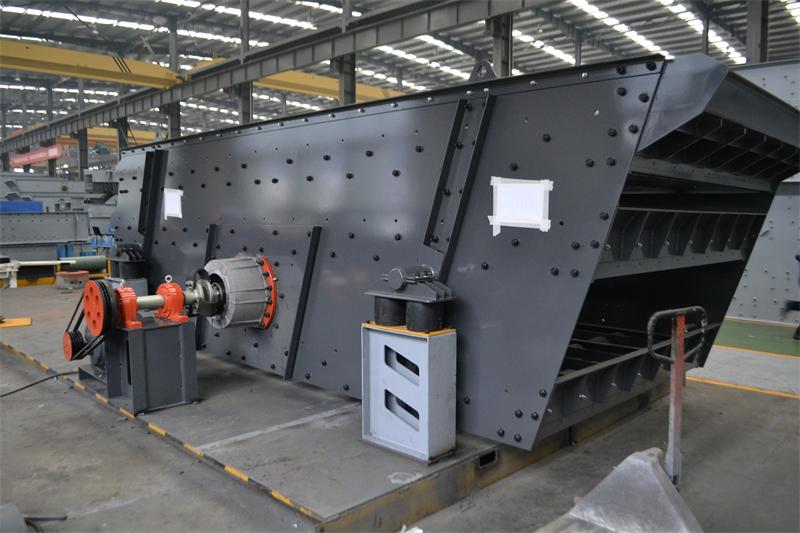
A typical mid-size crushing-and-screening plant processing hard rock faced a recurring issue: the screen became the bottleneck during peak moisture periods, causing frequent build-up and unplanned stops. After switching to a Y-type vibrating screen configuration aligned with the site’s feed gradation and selecting more suitable screen media, the site observed changes that operations teams tend to track:
Practical note: results depend heavily on moisture, feed consistency, deck configuration, and correct commissioning. These figures serve as reference outcomes seen in comparable screening improvement projects.
When buyers compare vibrating screens, the safest approach is to avoid “model-only” comparisons and focus on operating conditions and measurable targets. Below are the questions procurement and engineering teams typically align on before making a decision:
What are the moisture range, clay content, and percentage of fines (<3 mm) across seasons?
What cut size and acceptable misplacement rate are required for the next process step?
How many technicians are available, and what downtime window can the plant realistically afford?
What are the expected bearing temperature limits, vibration consistency requirements, and belt inspection intervals?
To recommend a suitable Y-type vibrating screen configuration, the most useful details are simple. If you share any of the following in the comments, an engineer can often give a clear direction:
Get a configuration suggestion for your ore/aggregate line—deck setup, screen media options, and commissioning notes—based on your real feed conditions and capacity target. Share your material details and the bottleneck you are facing, and the team will respond with a practical selection direction.












 Facebook