In mining, quarrying, and aggregate recycling, “efficiency” is not a slogan—it’s the difference between hitting daily output targets and losing hours to fuel burn, transport delays, and unplanned maintenance. Intelligent crawler mobile crushing plants are increasingly chosen because they move where the rock is, stabilize production in rugged terrain, and make energy use measurable. The goal is simple: make every liter of diesel create value.
Traditional stationary or semi-mobile crushing setups often struggle in today’s jobsite realities. Operators commonly report three recurring constraints:
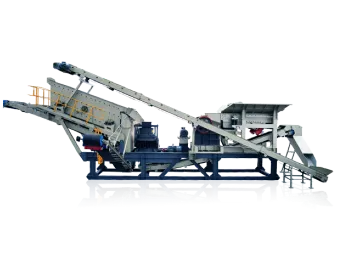
A modern crawler mobile crusher addresses these issues by combining low-consumption diesel power, high-torque electric drive, and servo-based intelligent control. The result is not only lower operating cost, but also better production consistency—often the most underestimated profit lever.
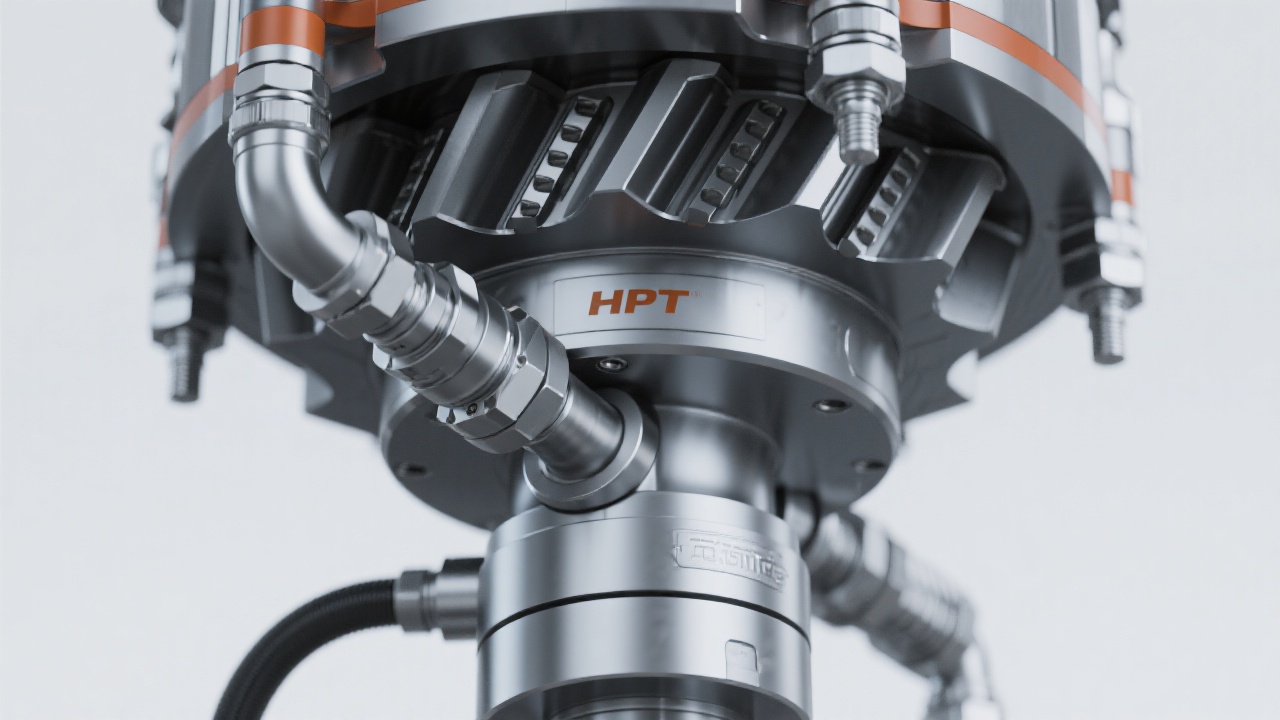
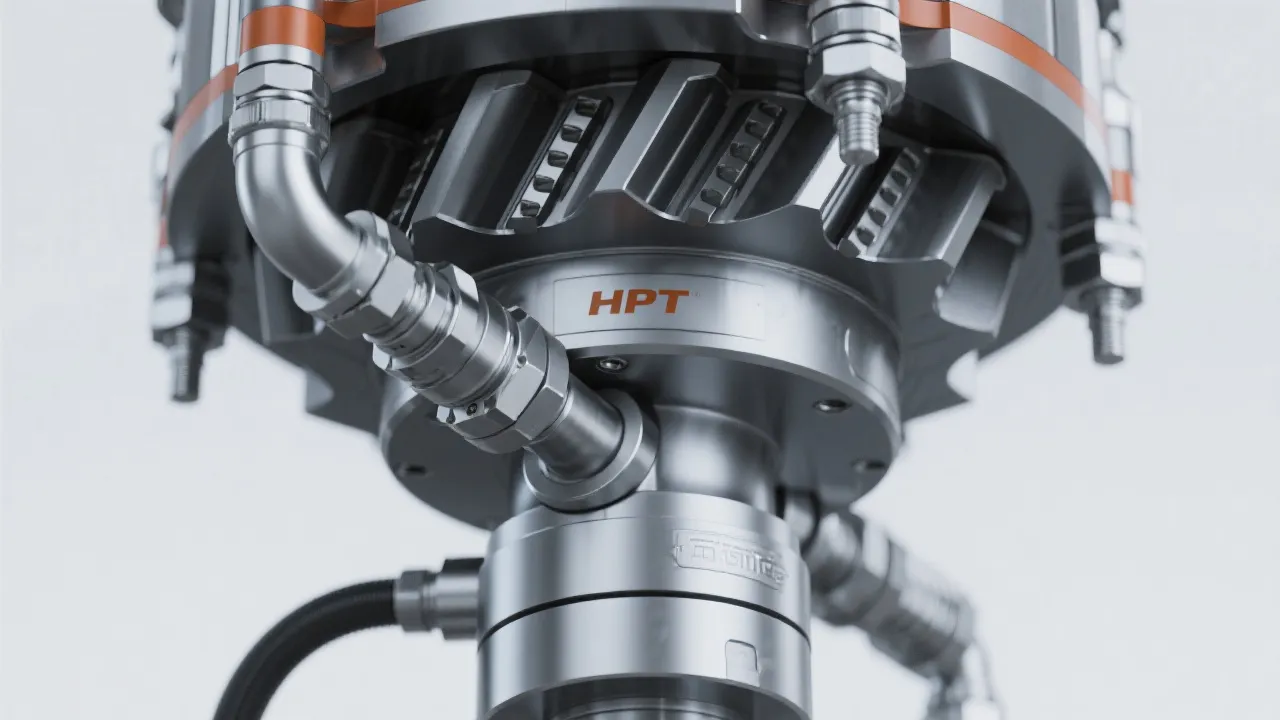
At the heart of many high-performance intelligent crawler crushing stations is a Cummins diesel engine engineered to reduce wasted fuel at real operating loads. While exact savings depend on rock type, feed stability, and discharge settings, field-referenced benchmarks for well-matched powertrains commonly show:
| Metric | Traditional Setup (Typical) | Intelligent Crawler Mobile Crusher (Typical) | Expected Improvement |
|---|---|---|---|
| Fuel consumption per ton (diesel-driven system) | 0.40–0.55 L/ton | 0.30–0.42 L/ton | ~15%–30% reduction |
| Cold start readiness (below-freezing) | Delays common; high wear risk | Preheating-assisted starts; smoother ramp-up | Less start downtime |
| Effective uptime (site variability) | 78%–88% | 85%–93% | +5–10 pts |
Note: Values are typical reference ranges from mixed quarry/recycling applications. Actual results vary by material hardness, moisture, screen/return configuration, and operator discipline.
The second part that many buyers overlook is low-temperature preheating start capability. For projects in high altitudes or cold regions, delayed starting isn’t just inconvenience—cold starts can increase engine stress and disrupt shift planning. A proper preheat system improves start reliability and helps the crusher reach stable operating temperature faster, which reduces “warm-up waste” and supports consistent production windows.
Consider adding a simple “Powertrain Structure Diagram” showing: Diesel Engine → Generator/Power Unit → High-Torque Drive Motor → Servo Transmission → Crusher + Conveyor Loads. This helps technical buyers understand where energy savings are created.
Crushing is not a steady-state workload. Feed size changes, moisture varies, and the chamber can see sudden spikes in resistance. A high-torque drive motor helps maintain traction and crushing force under heavy load, while a servo-controlled, stepless transmission makes speed changes smooth and precise.
Stable RPM under load, fewer stalls, smoother conveyor coordination, and faster recovery after “shock” feed events—especially when processing mixed-size blasted rock or reinforced concrete fragments.
Lower fuel per ton and fewer hours lost to manual tuning. In many operations, the combination of smart load control and efficient power delivery supports 15%–30% fuel savings versus older diesel-only solutions, depending on site conditions.
In plain terms, servo control reduces the gap between “what the operator wants” and “what the machine actually does.” That closes a common efficiency leak: machines running harder than necessary because control response is slow or imprecise.
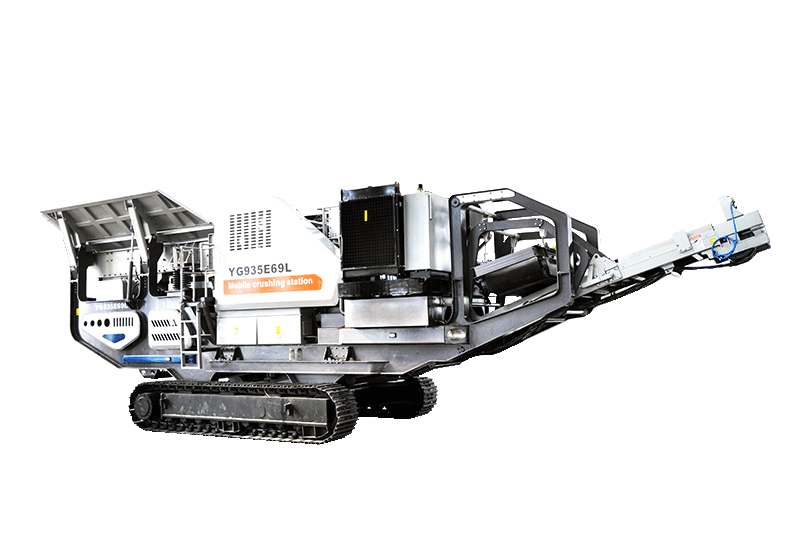
In many projects, the “best” crusher on paper loses money simply because it can’t reach the working face efficiently. Crawler mobility changes that equation. The most valuable promise is operational, not technical: no retrofitting required to get straight to the jobsite.
In mountainous quarry work, a crawler mobile crushing station reduces dependency on extensive civil preparation, allowing teams to move as benches change. In wetland or soft ground conditions, stable tracked movement and balanced chassis design help maintain production when wheeled equipment would hesitate or get stuck.
A contractor previously ran a conventional diesel crushing line with frequent relocations. After switching to an intelligent crawler mobile crusher, they reported measurable operational changes:
These results are not “magic.” They come from doing the basics exceptionally well: delivering power efficiently, controlling it precisely, and getting the machine to the material with minimal friction.
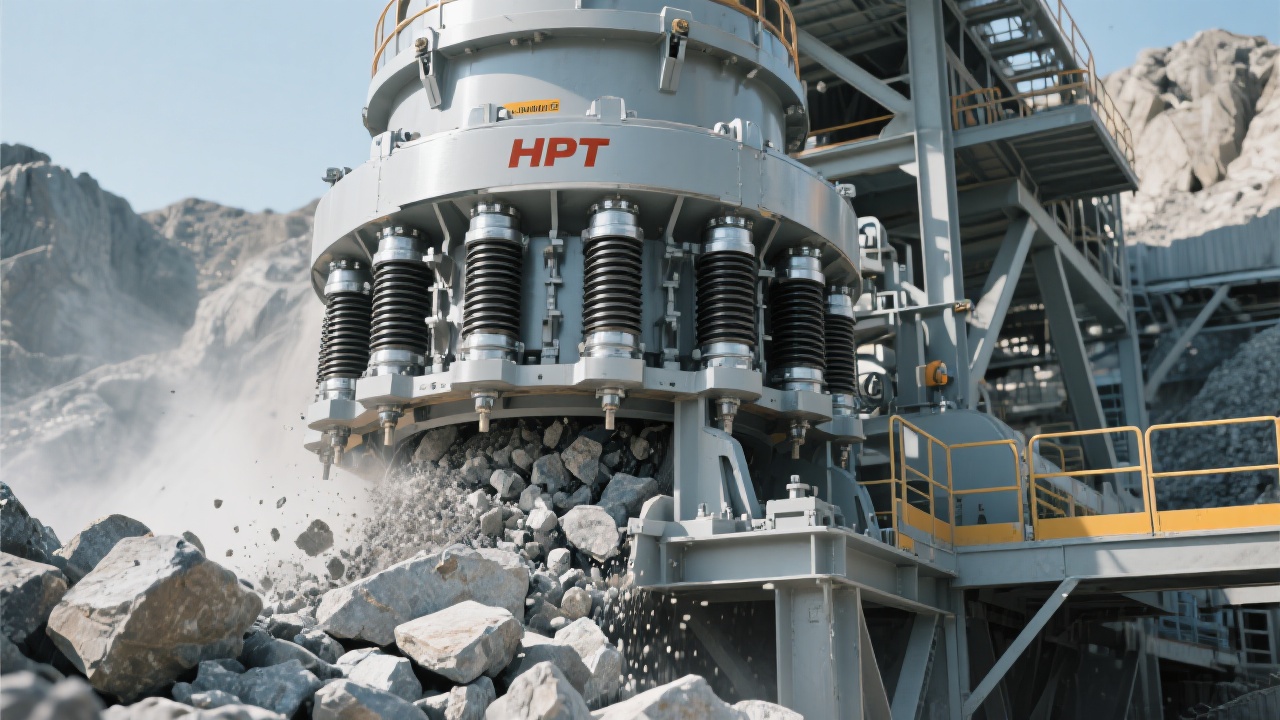
In the consideration stage, buyers are usually comparing not only capacity and discharge, but also the “invisible costs” that accumulate over 12–36 months. Intelligent crawler mobile crushers stand out when they reduce:
When decision makers ask, “Is it worth the investment?”, a practical way to answer is to focus on three measurable levers: liters per ton, hours of uptime, and time-to-relocate. Improvements on these metrics often translate into faster ROI than chasing peak theoretical capacity.
If your project involves frequent moves, harsh terrain, or rising diesel costs, an intelligent crawler mobile crusher can help you control fuel per ton, reduce relocation time, and keep production stable—making every liter count.
Request a Technical Proposal for an Intelligent Crawler Mobile CrusherTypical request includes: recommended configuration, estimated fuel-per-ton range, and application notes for mountain and wet ground conditions.







.jpg?x-oss-process=image/resize,m_fill,h_600,w_600/format,webp)





 Facebook