.jpg?x-oss-process=image/resize,h_1000,m_lfit/format,webp)
For mining operations worldwide, the jaw crusher stands as a foundational piece of equipment—reliably handling primary crushing tasks with precision and durability. Whether you're managing a limestone quarry in Brazil or a granite mine in India, understanding how this machine works isn’t just technical curiosity—it’s essential for optimizing throughput, reducing downtime, and extending asset life.
The core principle behind jaw crushers is simple: compressive force. As raw material enters the crushing chamber between two jaws—one fixed, one moving—the movable jaw oscillates via an eccentric shaft, applying pressure that breaks rocks into smaller fragments. According to ISO 14122-1 standards, proper jaw movement ensures consistent particle size distribution while minimizing energy waste.
In real-world applications, operators often overlook key parameters like stroke length (typically 15–30 mm), feed rate, and nip angle (usually 18°–22°). For example, a study by the Mining Equipment Association found that incorrect nip angles can reduce efficiency by up to 15%, leading to premature wear on manganese steel liners.
.jpg)
Even well-maintained jaw crushers face common issues: blockages from oversized feed, overloading due to inconsistent input, and abnormal wear patterns caused by improper material hardness. These problems are not just operational headaches—they directly impact ROI.
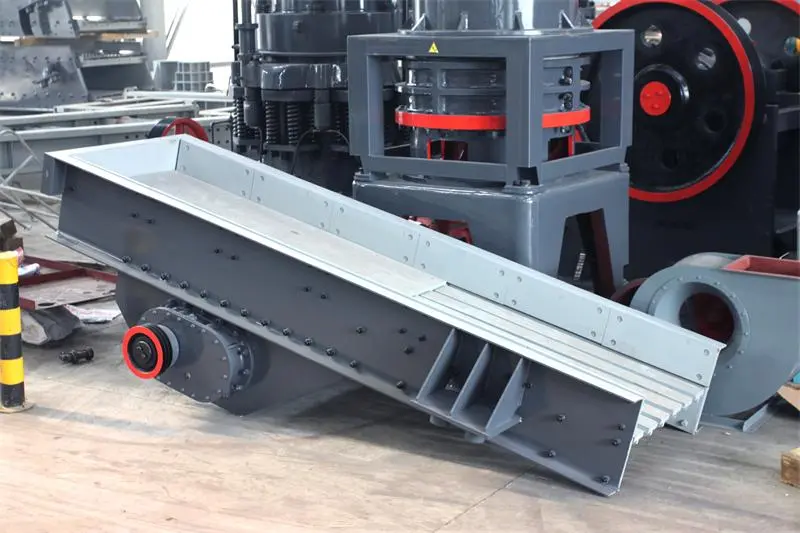
For instance, if a jaw crusher experiences frequent “clogging” events (reported in ~27% of global mining sites annually), it's often due to poor feed control rather than mechanical failure. Implementing a pre-screening system—such as a grizzly feeder—can cut jam incidents by over 60%, according to data from Mineral Processing Journal.
Similarly, excessive wear on toggle plates or cheek plates usually stems from operating beyond design capacity. Monitoring vibration levels using IoT-enabled sensors (now standard in modern units) helps detect early-stage damage before catastrophic failure occurs—a trend gaining traction across North America and Europe.

Selecting the right jaw crusher model depends on your specific needs—not just rock type but also daily tonnage, moisture content, and required output size. For example, a 1200x1000 mm jaw crusher typically handles 100–150 tons per hour in dry conditions, while wet feeds may require 10–20% larger models to prevent slippage.
Proper maintenance schedules—based on operating hours, not calendar days—are crucial. Industry best practices suggest inspecting liners every 200 operating hours and replacing them at 80% wear threshold. This approach increases machine lifespan by up to 35%, according to a 2023 report by Global Mining Solutions.
At MineLink, we’ve helped clients improve their jaw crusher uptime by 40% through customized operation guides, remote diagnostics, and training programs tailored to local conditions—from desert climates in Saudi Arabia to humid tropical zones in Indonesia.
Explore our full range of high-performance jaw crushers engineered for reliability, ease of maintenance, and seamless integration into any primary crushing setup.
Discover MineLink Jaw Crushers Today





.jpg?x-oss-process=image/resize,m_fill,h_600,w_600/format,webp)







 Facebook