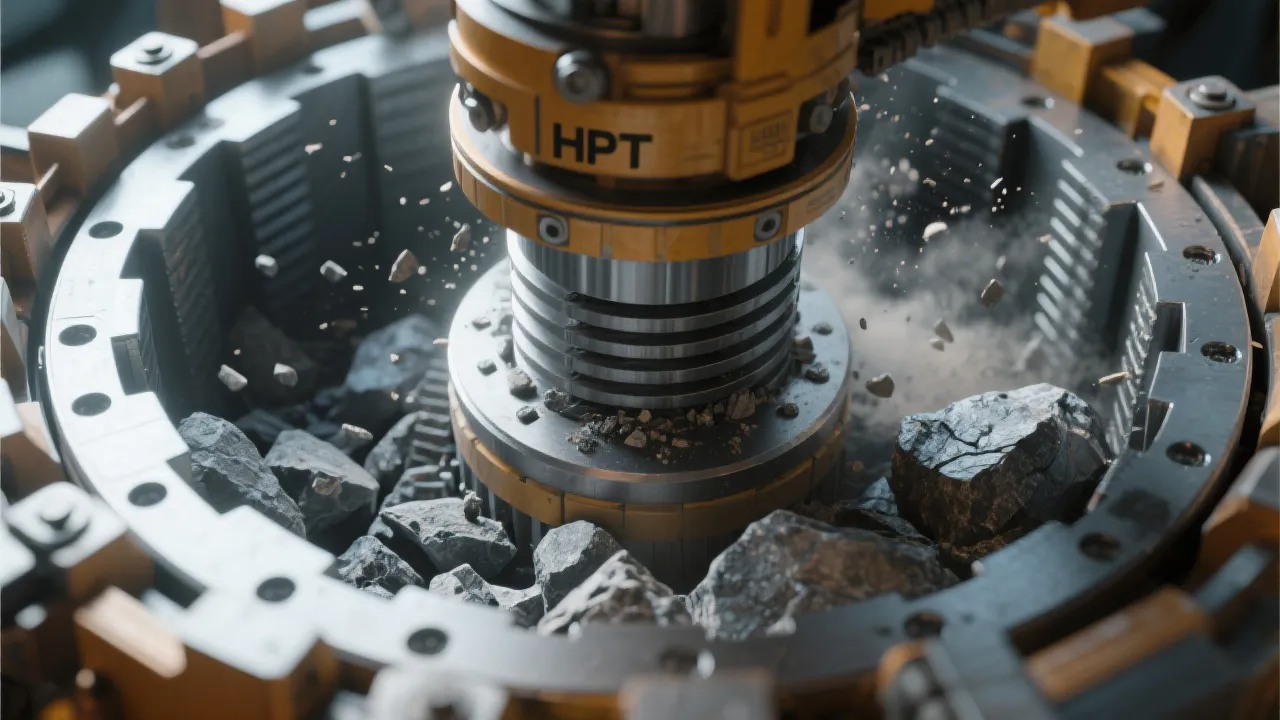
When it comes to efficient mineral processing, the jaw crusher stands as a cornerstone of any primary crushing system. Whether you're managing a limestone quarry in Brazil or a granite operation in India, understanding how this machine works—and how to optimize its performance—is essential for maximizing throughput and minimizing downtime.
A jaw crusher operates on a simple yet powerful principle: compressive force. As raw material enters the crushing chamber through the feed opening, the moving jaw—driven by an eccentric shaft—moves toward the fixed jaw, applying pressure that fractures the rock. This motion repeats continuously, reducing the ore size progressively until it’s small enough to pass through the discharge opening.
According to industry data from the International Journal of Mineral Processing, properly maintained jaw crushers can achieve up to 95% efficiency in primary reduction when fed with consistent, pre-screened material. For example, at a copper mine in Chile, operators saw a 12% increase in daily output after optimizing feed uniformity—a key factor often overlooked in routine maintenance routines.

The heart of any jaw crusher lies in its robust design:
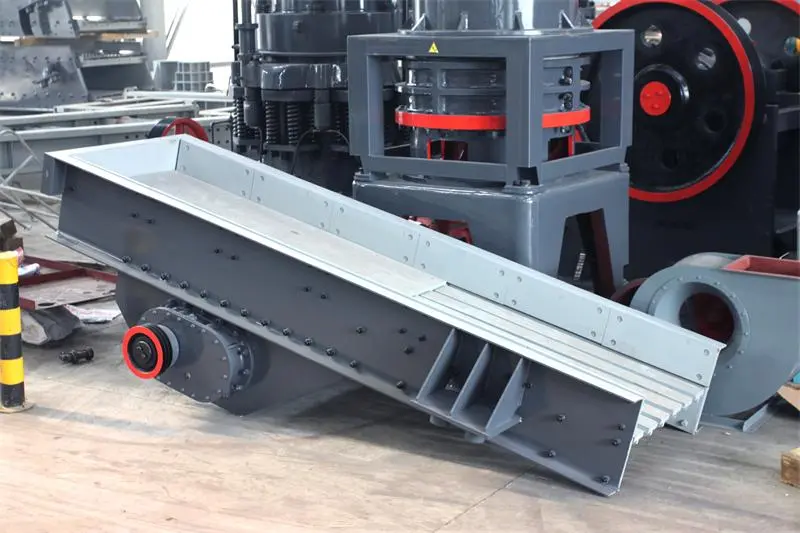
In a recent project in South Africa, a mining company using older-model jaw crushers experienced frequent jamming due to inconsistent feed sizes. By implementing a vibratory feeder and adjusting the gap setting based on real-time feed analysis, they reduced unplanned stops by 30%. Their engineers also adopted predictive maintenance practices—monitoring vibration levels and lubrication quality monthly—which extended the life of the toggle plates by over 40%.
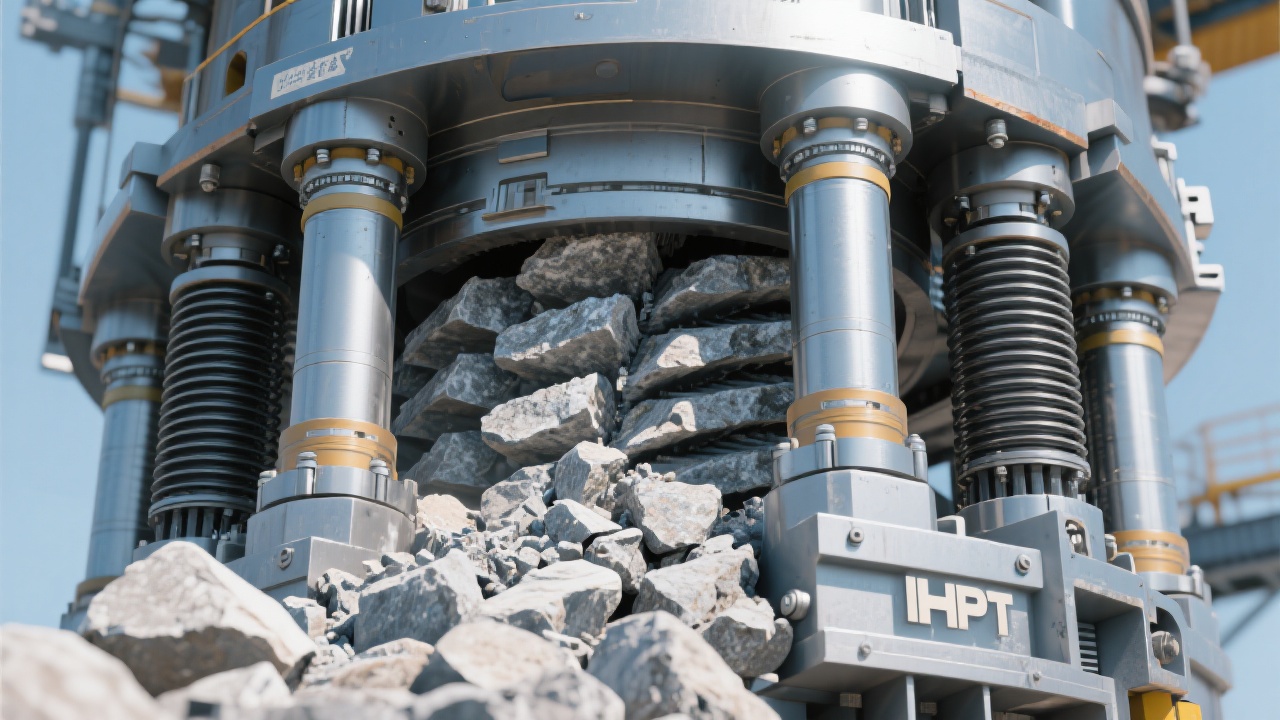
Even the best machines face challenges. Here’s what to watch for:
| Issue | Root Cause | Recommended Action |
|---|---|---|
| Frequent Overload Shutdowns | Improper feed rate or oversized material | Install a pre-screening system and monitor feed consistency |
| Excessive Wear on Jaw Plates | Incorrect gap setting or poor material hardness matching | Use wear-resistant liners and calibrate settings monthly |
| Unusual Vibration or Noise | Loose bolts, misaligned components, or bearing issues | Perform weekly visual inspections and tighten fasteners as needed |
Following these guidelines helps avoid costly repairs and keeps your operation running smoothly—even under harsh conditions.
At MineLink, we don’t just sell equipment—we help you get more out of every single piece of machinery. Our team of field engineers supports clients globally with tailored service plans, wear part optimization, and remote diagnostics via IoT-enabled systems.












 Facebook