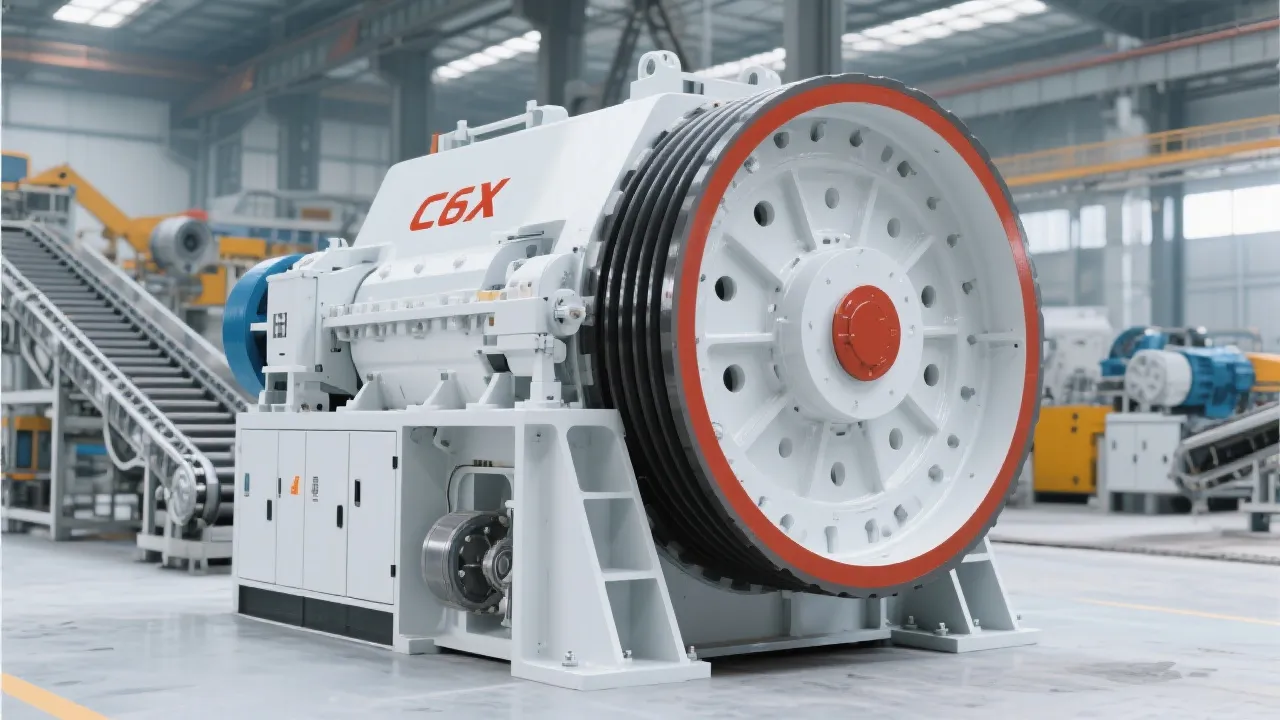
If you're responsible for operating or maintaining a jaw crusher in mining, quarrying, or recycling operations, understanding the core maintenance routines isn’t just best practice—it’s essential to avoid costly downtime. According to industry data from Minelink, over 60% of unplanned equipment failures stem from poor lubrication and delayed wear part replacement.
Start with your grease points—typically the main bearings, toggle plate pivots, and eccentric shafts. Use ISO VG 150 or 220 oil (depending on ambient temperature) and follow a monthly inspection schedule. Here's a quick reference:
| Component | Recommended Interval | Oil Type |
|---|---|---|
| Main Bearings | Monthly | ISO VG 150 |
| Toggle Plate Pivot | Every 2 Months | ISO VG 220 |
| Eccentric Shaft | Quarterly | ISO VG 320 |
Pro Tip from Minelink Field Engineers: “We once caught a bearing failure early by monitoring temperature spikes above 75°C—this saved a $12k repair and two days of production loss.”
The jaw plates are your first line of defense—but they also wear fastest. Monitor their thickness regularly using a caliper. If the material wears down to less than 30% of original thickness, it’s time for a change. Also, pay attention to vibrations: increased noise or uneven movement often indicates misalignment or excessive wear on the toggle plate.
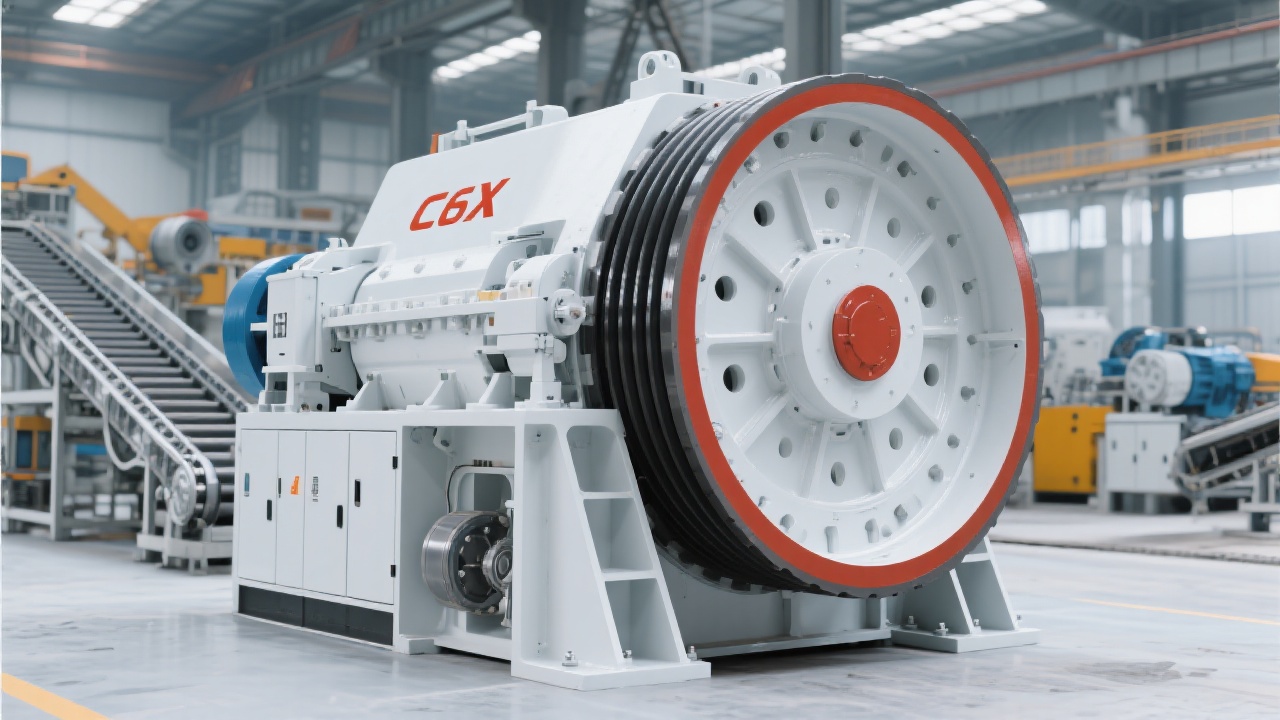
Uneven feeding causes shock loads that accelerate bearing wear and increase vibration levels. Ensure consistent feed rate through proper hopper design and conveyor speed control. In one case study at a limestone quarry in Saudi Arabia, optimizing feed uniformity reduced unexpected breakdowns by 40% within six months.
Want smarter maintenance? Minelink offers an intelligent lubrication management system and remote diagnostic tools that help you predict issues before they happen—no more guesswork.




.jpg?x-oss-process=image/resize,m_fill,h_600,w_600/format,webp)









 Facebook