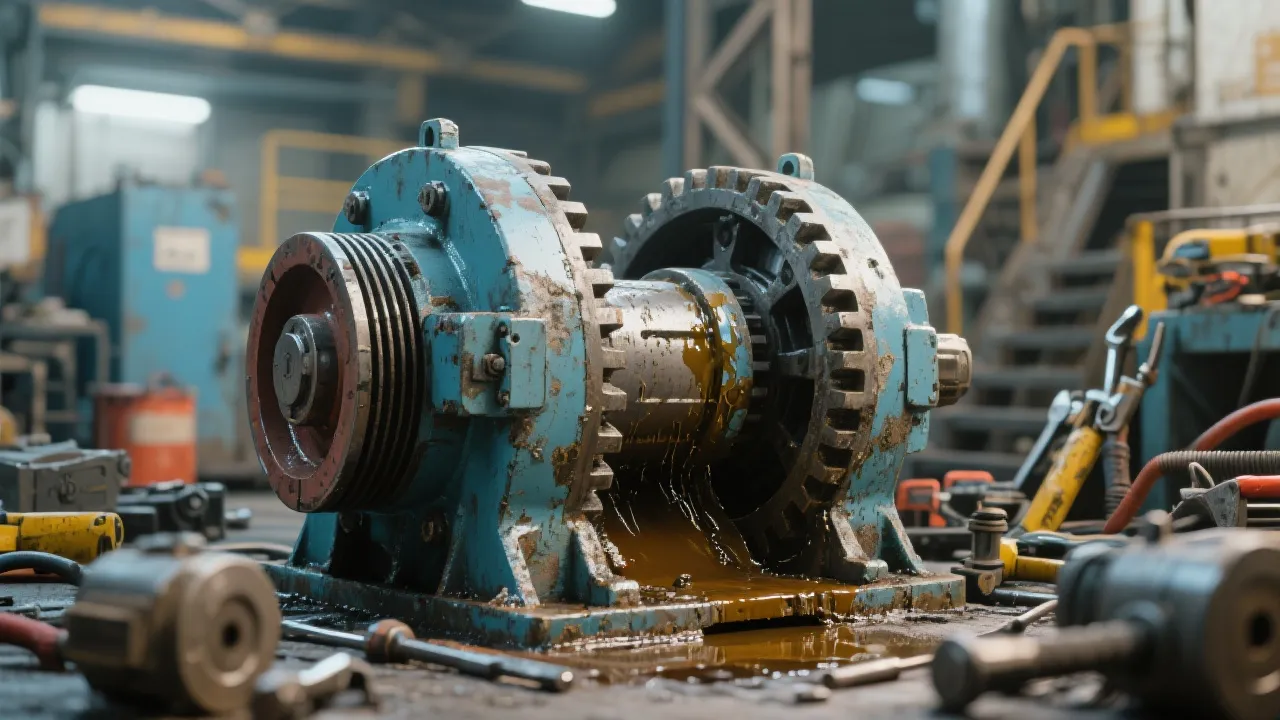
You’ve probably seen it: a jaw crusher suddenly stops mid-cycle, or bearings overheat within hours of startup. The culprit? Most likely, your lubrication system.
According to industry data from Mining Equipment Maintenance Journal, over 72% of unexpected jaw crusher failures are linked to improper lubrication—either under-lubrication, contamination, or poor maintenance practices. That’s not just a technical issue—it’s a productivity killer.
“In our experience with mining clients across Africa and Southeast Asia, we found that 9 out of 10 lubrication problems could have been prevented with a simple daily checklist.” — Dr. Ahmed El-Sayed, Senior Maintenance Engineer at MineralLink
1. Contaminated Grease: If you see dark, gritty grease in the bearing housing, stop immediately. Moisture, dust, or metal particles can reduce viscosity by up to 40%, leading to premature wear. Use a visual inspection tool like a grease sample jar—if it looks cloudy, replace it.
2. Under-Lubrication: A common mistake is applying too little grease during routine checks. In one case study, a quarry in Chile reduced bearing failure rates by 65% after switching to a calibrated grease gun (not manual squeeze) and following a monthly schedule.
3. Over-Lubrication: Yes, too much grease causes problems too—it increases internal pressure, heats up bearings, and forces old grease out through seals. We’ve seen this lead to oil leaks and even shaft misalignment in as little as 3 weeks.
Here's what you can do right now:
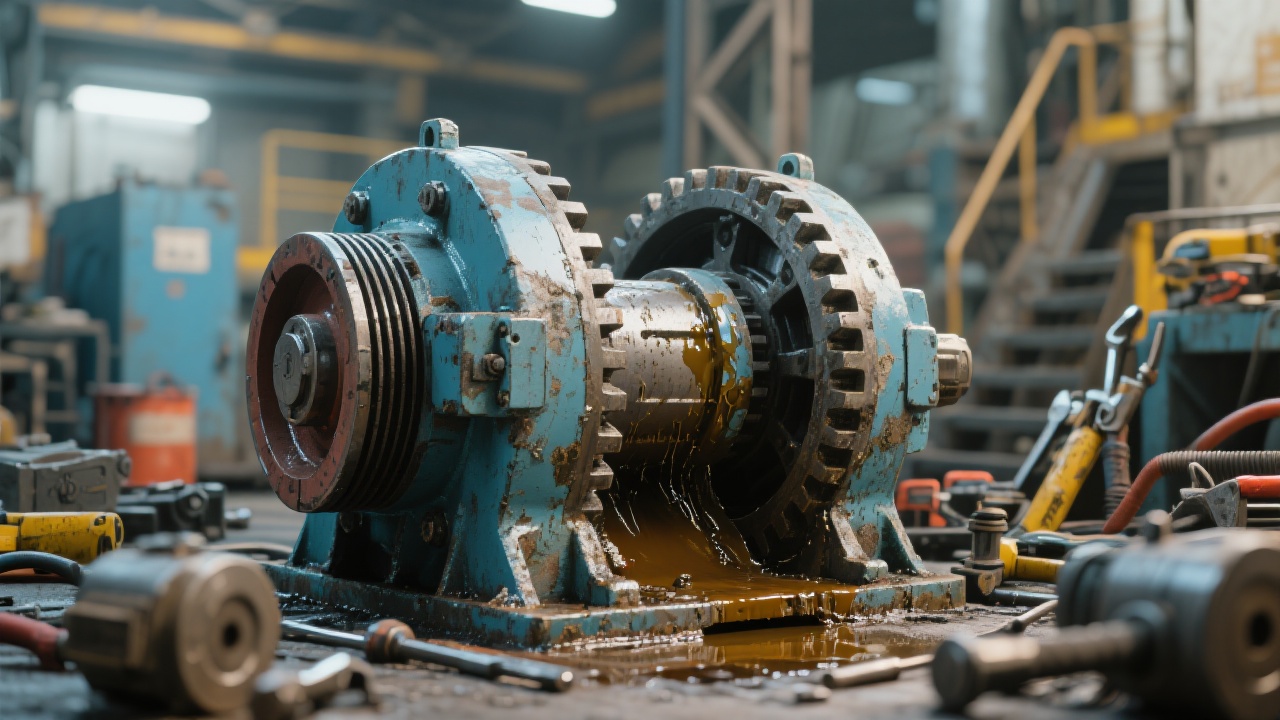
Now, let’s talk about prevention—not just reaction. Implementing a basic preventive maintenance plan can extend equipment life by 2–3 years. At MineralLink, we recommend starting with a daily check list that includes:
These steps may seem small—but they’re responsible for up to 30% fewer unplanned shutdowns, according to a 2023 survey of 150 global mining operations.
Set a recurring calendar reminder for weekly inspections. Track results in a logbook—this builds institutional knowledge and makes troubleshooting faster when issues arise.
If you're serious about maximizing uptime and minimizing repair costs, it’s time to treat lubrication like the critical system it is—not an afterthought.



.jpg?x-oss-process=image/resize,m_fill,h_600,w_600/format,webp)







.jpg?x-oss-process=image/resize,m_fill,h_600,w_600/format,webp)


 Facebook