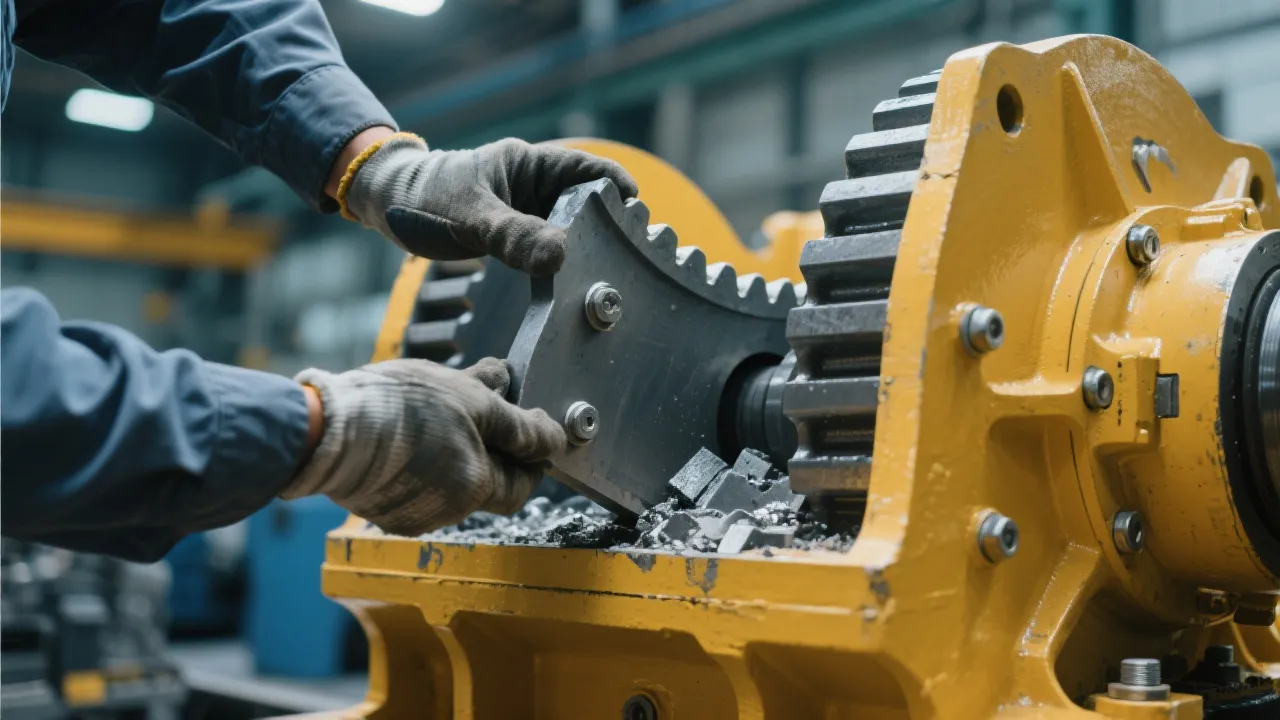
For mining and aggregate operations, jaw crushers are the backbone of primary crushing. Yet, many facilities overlook a critical factor that directly impacts uptime, efficiency, and total cost of ownership: proper lubrication system management. According to industry data from Minelink, over 40% of unplanned jaw crusher downtime is linked to inadequate or inconsistent lubrication practices.
Modern jaw crushers rely on precise oil flow to reduce friction in bearings, support moving parts like the eccentric shaft, and dissipate heat generated during operation. Poorly managed systems lead to premature wear, overheating, and even catastrophic failure. The key? A structured approach combining regular checks, real-time monitoring, and proactive part replacement.
Industry best practice suggests inspecting the lubrication system every 50–75 operating hours. This includes checking oil level, viscosity, and contamination — especially in dusty environments where particulate ingress is common. Using high-quality synthetic oils (like ISO VG 150 or VG 220) can extend bearing life by up to 30%, as shown in case studies conducted by Minelink engineers across South African quarries.
Don’t wait for a breakdown. Implement temperature sensors on main bearings — ideally with wireless connectivity to your plant’s SCADA system. A rise of just 15°C above ambient temperature often signals early bearing degradation. In one instance at a Brazilian limestone mine, this simple step prevented a $120,000 repair by identifying abnormal heat buildup before it caused shaft seizure.
Similarly, vibration monitoring using portable analyzers (such as those integrated into Minelink’s SmartMaintenance™ platform) helps detect misalignment, worn bushings, or loose bolts — all contributors to excessive stress on the lubrication system. When combined with scheduled belt tension adjustments, these tools create a feedback loop for continuous improvement.
Even with perfect lubrication, poor feed quality will shorten equipment life. Uneven feeding causes impact spikes that accelerate wear on the动颚板 (moving jaw plate). Regular visual inspections — at least once per shift — help catch early signs of uneven wear patterns. If you notice one side wearing faster than the other, it may indicate improper alignment or incorrect feed distribution.
Pro tip: Use a calibrated thickness gauge to measure jaw plate clearance. Replace plates when they drop below 80% of original thickness — typically after 2,000–3,000 hours depending on material hardness. This prevents secondary damage to the toggle plate and pitman arm.
Explore how Minelink’s advanced lubrication diagnostics and predictive maintenance services helped clients reduce unplanned downtime by an average of 35% within six months.
Get Your Free Jaw Crusher Health Check TodayWhether you're managing a small quarry or a large-scale operation, building a standardized maintenance protocol isn't optional — it's essential. With consistent attention to lubrication, timely replacements, and smart use of data, you’re not just fixing problems — you’re preventing them.










.jpg?x-oss-process=image/resize,m_fill,h_600,w_600/format,webp)
 Facebook