Lubricant Selection Guide for Jaw Crushers: Boost Equipment Life and Maintenance Efficiency
11 04,2026
Application Tips
This comprehensive guide explores the critical role of lubricating grease in jaw crusher performance and longevity. Drawing from real-world failure cases in mining operations, it explains lubrication mechanisms, key grease types with technical specifications, and how viscosity and additives impact wear reduction. Practical insights include setting optimal lubrication intervals, identifying lubrication points, and tailoring strategies for harsh environments like high temperature, humidity, or dust. Industry standards such as ISO 6743 and AGMA are referenced to ensure reliability. Data-driven comparisons highlight performance differences between greases, while interactive elements invite user engagement—helping maintenance engineers and operators reduce downtime, lower costs, and extend equipment life. Choose high-quality lubricants for stable jaw crusher operation, reduced maintenance expenses, and sustained productivity.
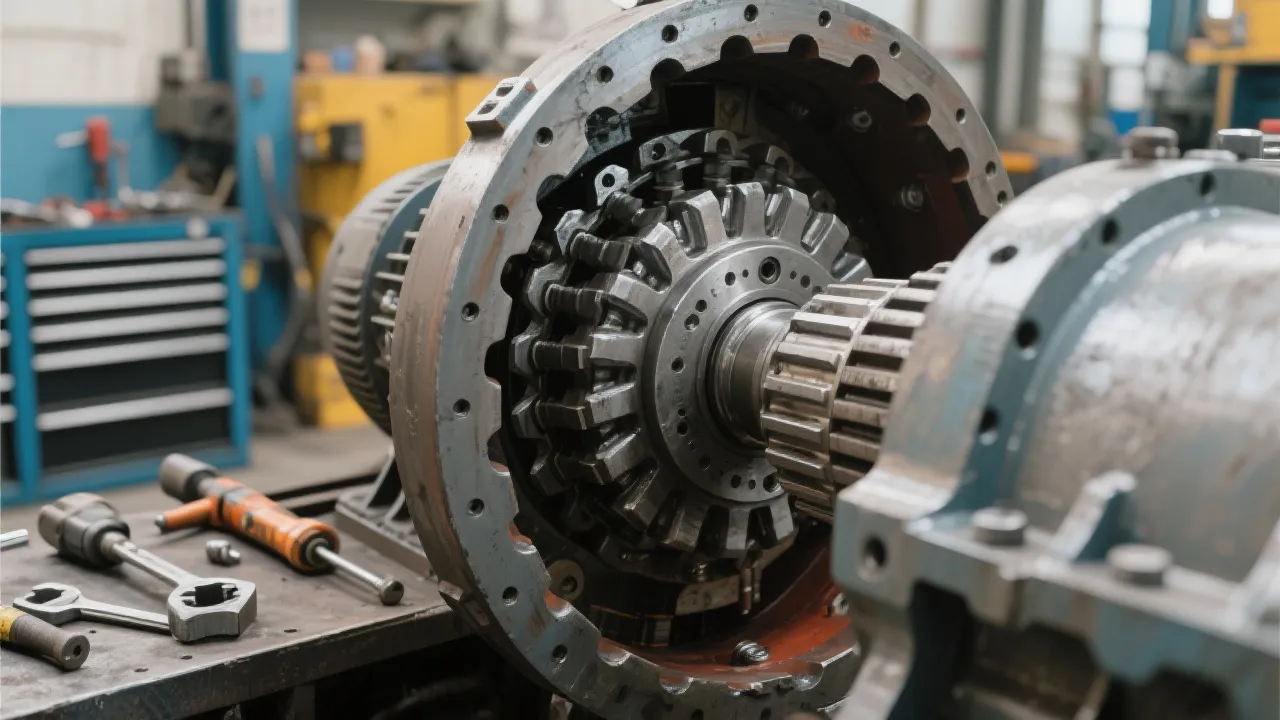
How to Choose the Right Grease for Jaw Crushers: A Technical Guide to Extend Equipment Life and Reduce Downtime
In a recent case from a limestone quarry in South Africa, an unexpected jaw crusher failure caused a 48-hour shutdown—costing over $25,000 in lost production and emergency repair fees. The root cause? Poor grease selection and inconsistent lubrication intervals. This isn’t just an isolated incident—it’s a recurring challenge across mining operations worldwide.
The Science Behind Lubrication: Why It Matters More Than You Think
Lubricants do more than reduce friction—they act as protective barriers against wear, heat, and contamination. According to ISO 6743 standards, proper grease viscosity (typically NLGI Grade 2) ensures film strength under high pressure. For example, using a low-viscosity grease in high-load applications can increase bearing wear by up to 35% compared to optimal formulations.
Key Performance Indicators:
- Drop Point (min. 180°C for hot environments)
- Penetration (NLGI 2 is ideal for most jaw crushers)
- Water Resistance (critical in humid climates)
- Thermal Stability (maintains consistency at 120–150°C)
Common Grease Types & Their Best Use Cases
| Grease Type |
Best For |
Typical Viscosity Range |
Recommended Application Interval |
| Calcium Complex |
Dry, dusty mines |
100–150 mm²/s |
Every 2 weeks |
| Sodium Complex |
High-temp environments (>120°C) |
120–180 mm²/s |
Every 3 weeks |
| Li-based (Polyurea) |
General-purpose use, moisture resistance |
150–200 mm²/s |
Every 2–4 weeks |
Customized Maintenance Plans Based on Environment
For harsh conditions like coastal salt exposure or desert dust storms, consider:
- High-Dust Environments: Use lithium complex greases with anti-wear additives (e.g., ZDDP).
- Wet Climates: Opt for water-resistant calcium sulfonate greases—proven to extend bearing life by up to 20% in marine settings.
- Extreme Heat: Apply synthetic polyalphaolefin (PAO)-based greases rated above 150°C drop point.
Following AGMA 1114 guidelines, regular inspection of grease condition every 3 months helps prevent catastrophic failures. A simple visual check—looking for signs of hardening, discoloration, or leakage—can save thousands in unplanned downtime.
Real Results Matter: Before vs After Grease Optimization
A mining client in Peru switched from generic mineral oil-based grease to a premium lithium complex formulation recommended by Minelink engineers. Over six months:
- Reduced bearing replacement frequency from 3x/month to 1x/month
- Lowered maintenance labor costs by ~$4,500/month
- Extended mean time between failures (MTBF) by 40%
We invite you to share your own lubrication success stories in the comments below—we’ll feature top responses monthly. Your insights help build a smarter, more resilient community of operators.
Choosing the right grease isn’t just about performance—it’s about protecting your investment, minimizing risk, and keeping production flowing smoothly. Let’s make every drop count.





.jpg?x-oss-process=image/resize,m_fill,h_600,w_600/format,webp)

.jpg?x-oss-process=image/resize,m_fill,h_600,w_600/format,webp)








 Facebook