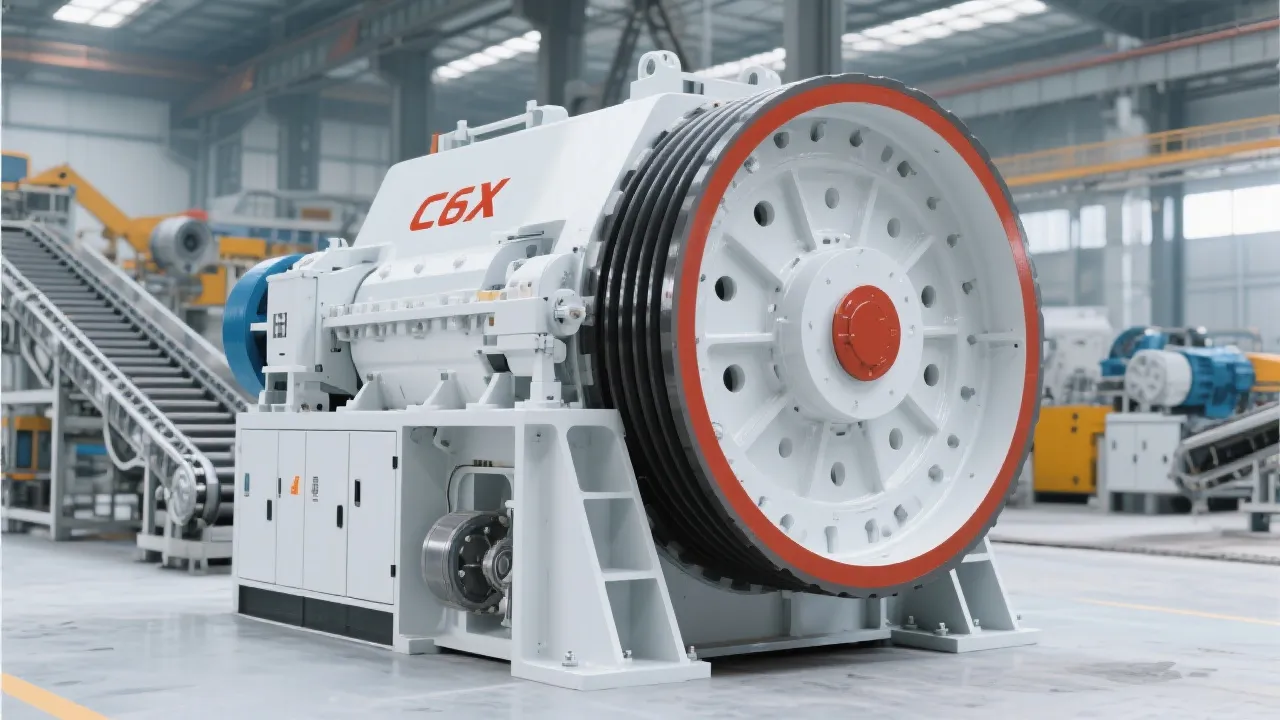
You’ve probably seen it before: a jaw crusher suddenly stops mid-operation—no warning, just downtime. That’s not just frustrating—it’s expensive. In fact, improper lubrication accounts for up to 40% of premature bearing failures in mining equipment (based on ISO 15288 and AGMA 9005-E2022 data). But here's the good news: you can avoid this with one simple rule—match your grease viscosity to your operating conditions.
Lubricating oil isn’t just about reducing friction—it’s about protecting your machine under real-world stress. The wrong viscosity? It either flows away too fast or doesn’t coat surfaces properly. This leads to increased wear, overheating, and early failure. For example:
| Lubricant Type | Typical Use Case | Wear Rate (vs. Optimal) |
|---|---|---|
| ISO VG 68 | Normal temp, low load | Baseline (1x) |
| ISO VG 100 | High temp, dusty environment | ~15% less wear than VG 68 |
| ISO VG 150 | Extreme heat (>70°C), heavy duty | ~30% less wear vs. VG 68 |
“According to ISO 6743-9, grease selection must consider operating temperature, load, and contamination levels—not just manufacturer recommendations.” — AGMA Standard 9005-E2022
If your jaw crusher runs in high-dust environments like open-pit mines, go for ISO VG 100–150. Why? Because thicker grease resists being washed out by dust and water. If it’s hot (above 60°C), stick with VG 100 or higher—you’ll reduce thermal breakdown and extend bearing life by up to 30%. And if moisture is an issue (like coastal operations), choose lithium complex greases with excellent water resistance.
Pro tip: Don’t guess. Create a lubrication schedule based on actual usage hours, not calendar days. A well-maintained jaw crusher should be greased every 200–300 hours—but always check the grease condition visually and by feel. If it looks dry or gritty, replace it immediately.
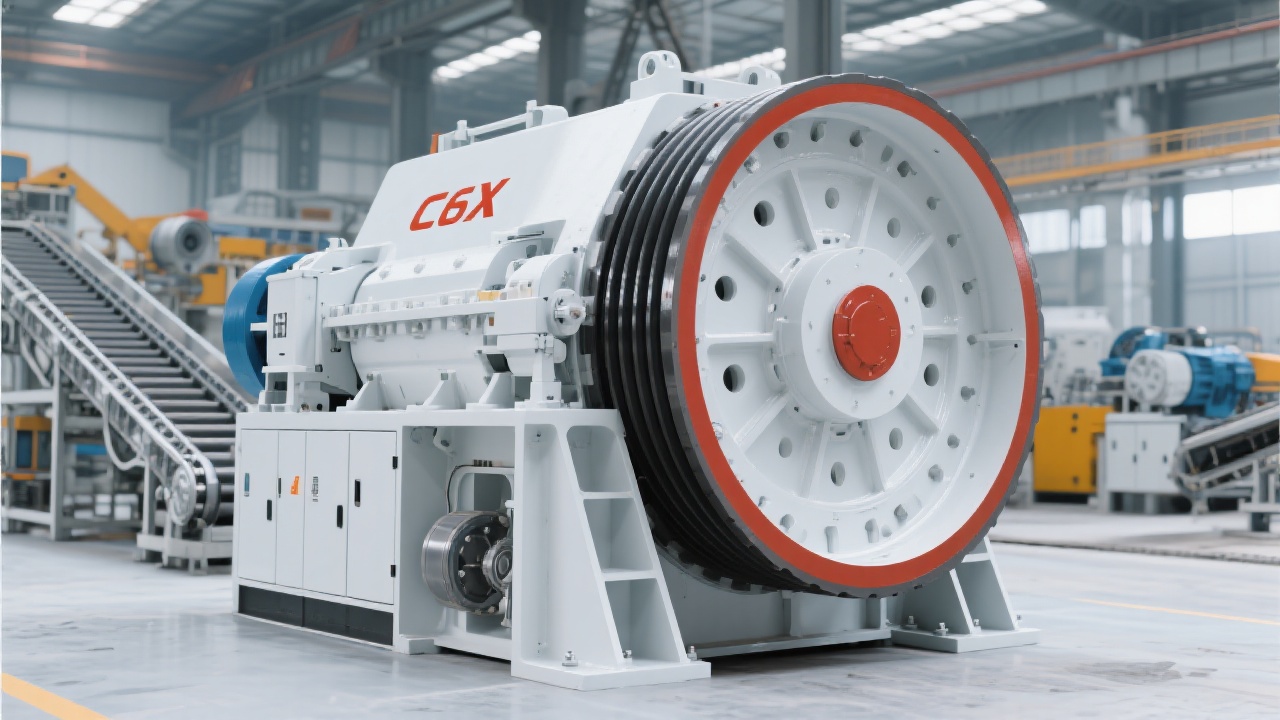
Now imagine: your crusher runs smoothly for 90 days straight instead of 60. That’s 3 extra days of production—and at average mine output, that could mean an extra $50,000 in revenue per month. Sounds unrealistic? It’s not. With the right grease, it’s achievable.
Ready to make your jaw crusher more reliable—and your team more confident?
Download Our Free Jaw Crusher Lubrication Checklist (PDF)











 Facebook