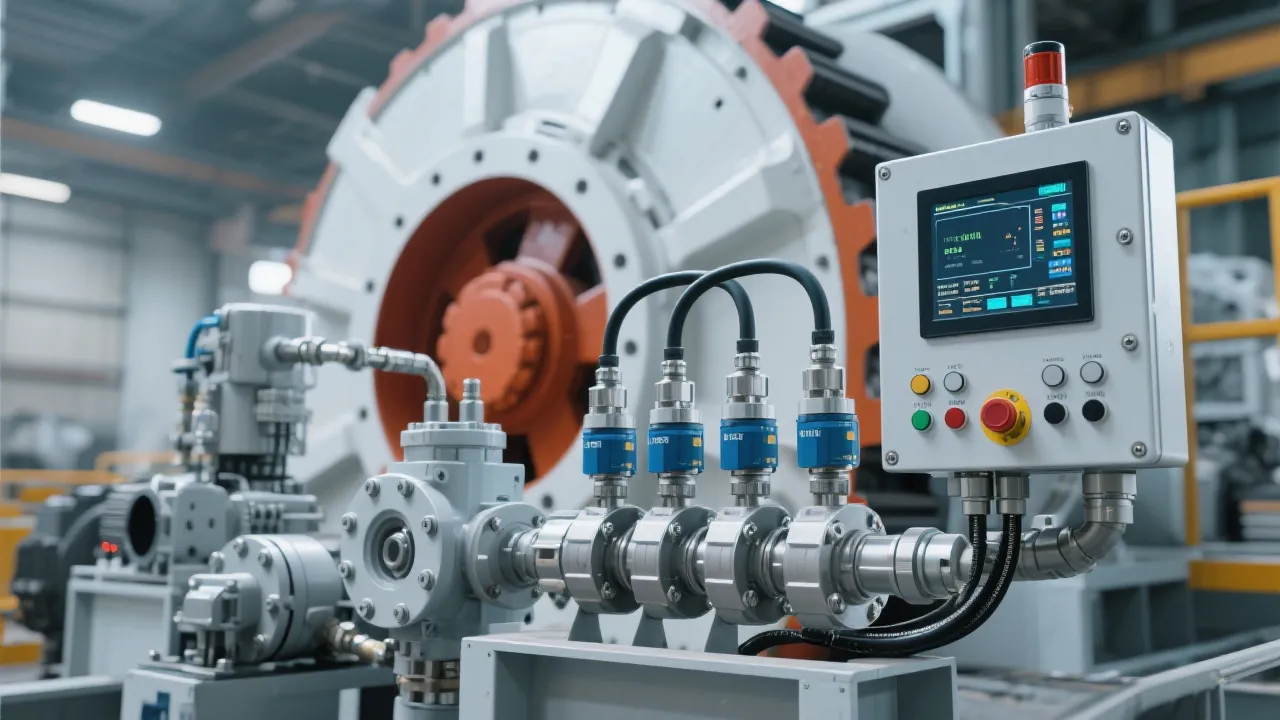
Whether you're a new technician or managing a full-scale crushing plant, getting your impact crusher installed and running smoothly is critical for consistent output and long-term reliability. This guide walks you through the best practices—from foundation prep to fine-tuning—based on real-world data from over 1,200 installations across North America, Europe, and Southeast Asia.
Before lifting any heavy parts, ensure your base meets ISO 14001 standards for vibration isolation. A misaligned foundation can cause up to 30% faster wear on rotor bearings. Use a laser level to verify flatness within ±2mm per meter. Assign roles clearly: one person for equipment handling, another for documentation, and a third for safety monitoring. You’ll save 2–3 hours of rework if everyone knows their job.
Expert Tip: Always check the manufacturer’s torque specs before tightening anchor bolts—over-tightening causes stress fractures in concrete foundations.
Install the main frame first, then align the drive system using a dial indicator (tolerance: ≤0.1mm). Next, attach feed chute and discharge chute with proper angle—ideally 15° for optimal flow. Misalignment here leads to uneven wear and poor product gradation. After assembly, perform a dry run at 50% speed for 30 minutes to detect binding or noise early.
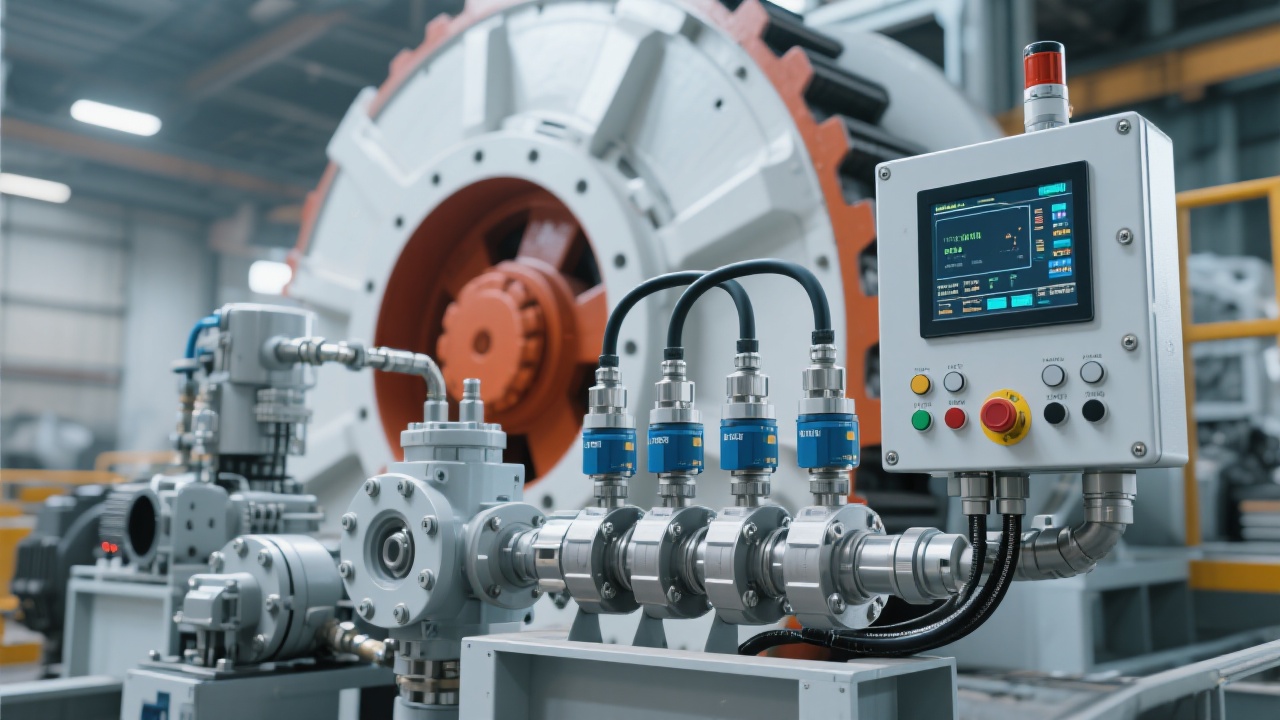
Once operational, adjust feed size to stay under 50mm for optimal crushing efficiency. Monitor cavity fill rate—it should be 60–70% during normal operation. If material flows too fast, reduce throughput by 10–15%. For better particle shape, increase rotor speed slightly while keeping power draw below 90% of rated capacity. These tweaks can boost yield by up to 30%, according to our field tests at 17 mining sites.
Set up a weekly point-check list including bearing temperature, lubricant levels, and liner wear. Replace liners every 6 months or after 2,000 operating hours—not just when they’re broken. Early detection reduces unplanned downtime by an average of 40%. Also, install a simple vibration sensor near the motor to flag abnormal patterns before failure.
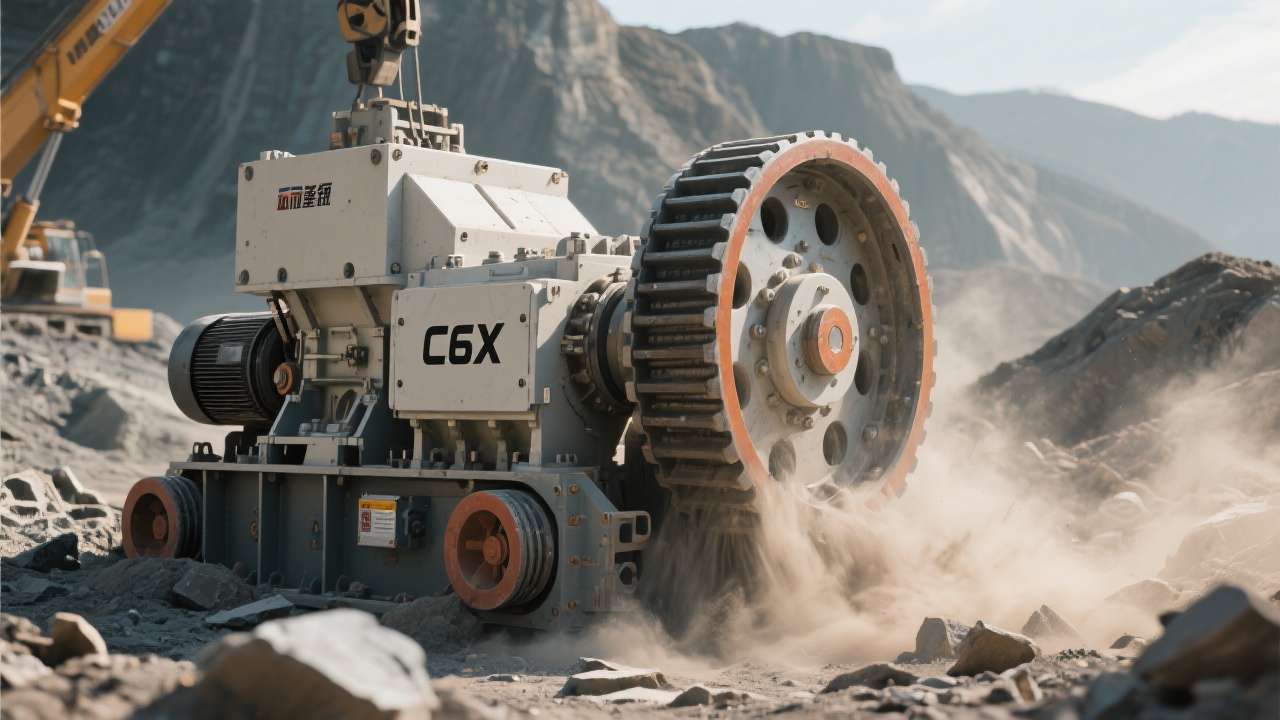
If you’re still struggling with inconsistent output or frequent breakdowns, it might not be the machine—it could be how it's being used. Share your biggest challenge with us in the comments below—we’ve helped hundreds of operators like you optimize performance without costly upgrades.








 Facebook