GF Vibrating Feeder for Mobile Crushing Stations: High-Efficiency Primary Feeding Solution
20 02,2026
MiningAlliance
Solution
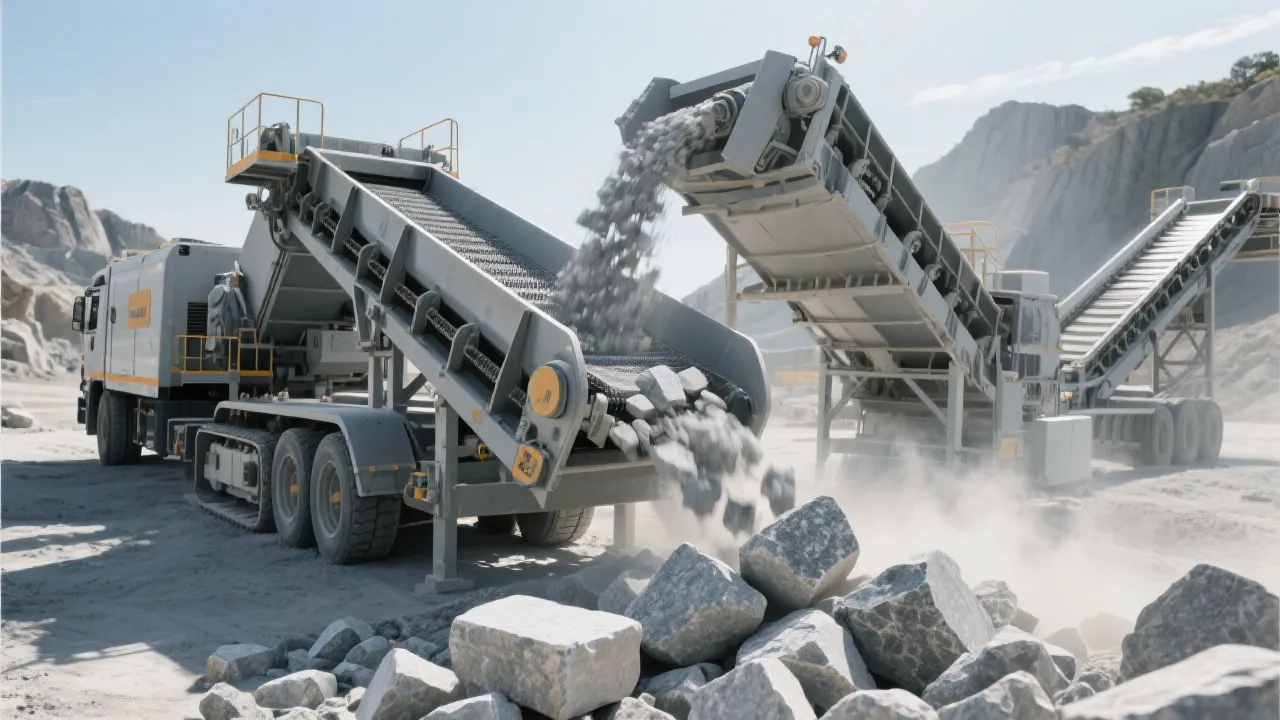
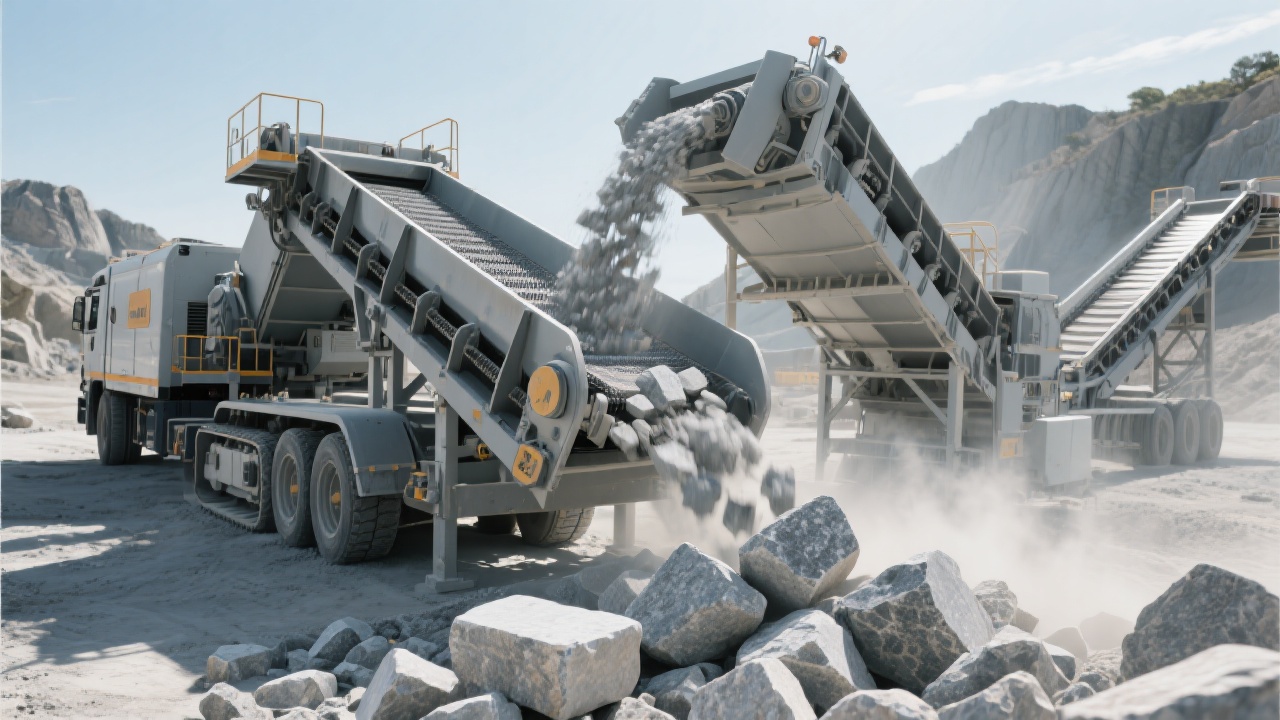
As throughput and uptime become decisive factors in aggregate production, primary feeding is often the hidden bottleneck—especially on mobile crushing stations and semi-fixed crushing lines where load fluctuations, oversized stone, and unstable flow can reduce productivity. The GF Vibrating Feeder is engineered to deliver high-efficiency, stable primary feeding for mobile crushers, compact hoppers, and semi-fixed setups, helping operators maintain consistent material flow and protect downstream equipment. With a maximum feed size up to 700 mm and a processing capacity of 280–450 t/h, it supports demanding quarry and recycling conditions while improving line continuity. Its vibration-motor drive design provides reliable excitation, simplified operation, and steady conveying performance, contributing to reduced stoppages and smoother crushing. The feeder’s broad material adaptability—handling common stones such as granite and marble—makes it suitable for diverse site environments and variable raw material sources. Supported by real-world application results, this solution-focused overview clarifies selection criteria for decision-makers seeking a robust, high-output primary feeding system and encourages consultation or on-site trials to validate performance in specific operating conditions.
Choosing an Efficient Primary Feeder for a Mobile Crushing Plant: Why GF Vibrating Feeder Stands Out
In modern quarrying, recycling, and aggregate production, the “hidden bottleneck” is often not the crusher—it’s the primary feeding stage. When the first machine in the line can’t deliver stable, consistent material flow, downstream equipment pays the price: crusher surging, belt spillage, higher wear, and a productivity curve that never matches the nameplate capacity. A high-efficiency primary feeder is therefore a decision-stage investment, not a minor accessory.
The Real Problems Buyers See in Traditional Primary Feeding
Industrial decision-makers typically describe the same set of operational pains in mobile crushing stations and semi-fixed crushing lines: unstable feed rate, frequent blockages with large rocks, insufficient pre-screening, and high maintenance caused by impact loads. In practice, these issues translate into measurable losses—lower crusher utilization and more downtime.
Common symptoms
Feeding “pulses” causing crusher chokes and empty running
Bridging and hang-ups when large lumps enter the hopper
Excess fines entering the crusher and reducing efficiency
Unplanned stops for cleaning and clearing blockages
Business impact
Crusher utilization often drops by 10–20% under unstable feeding
Wear parts consumption increases due to surging and impacts
Fuel and energy per ton can rise by 5–12% from inefficiency
More labor time spent on on-site troubleshooting
What a High-Efficiency Primary Feeder Should Deliver
A primary feeder for a mobile crusher is not evaluated only by “it can move stone.” The best-performing units behave like a production stabilizer: they keep the crusher continuously loaded, separate useless fines early, and protect the entire line from shock loads. For most projects, the selection criteria can be simplified into four measurable checkpoints:
Max feed size compatibility (to avoid bridging and manual breaking)
Stable capacity under fluctuating load (to keep crushers at target utilization)
Pre-screening efficiency (to reduce fines to crusher and raise overall throughput)
Durability & maintenance simplicity (especially for remote quarry sites)
GF Vibrating Feeder: Built for Mobile Crushing Stations and Semi-Fixed Lines
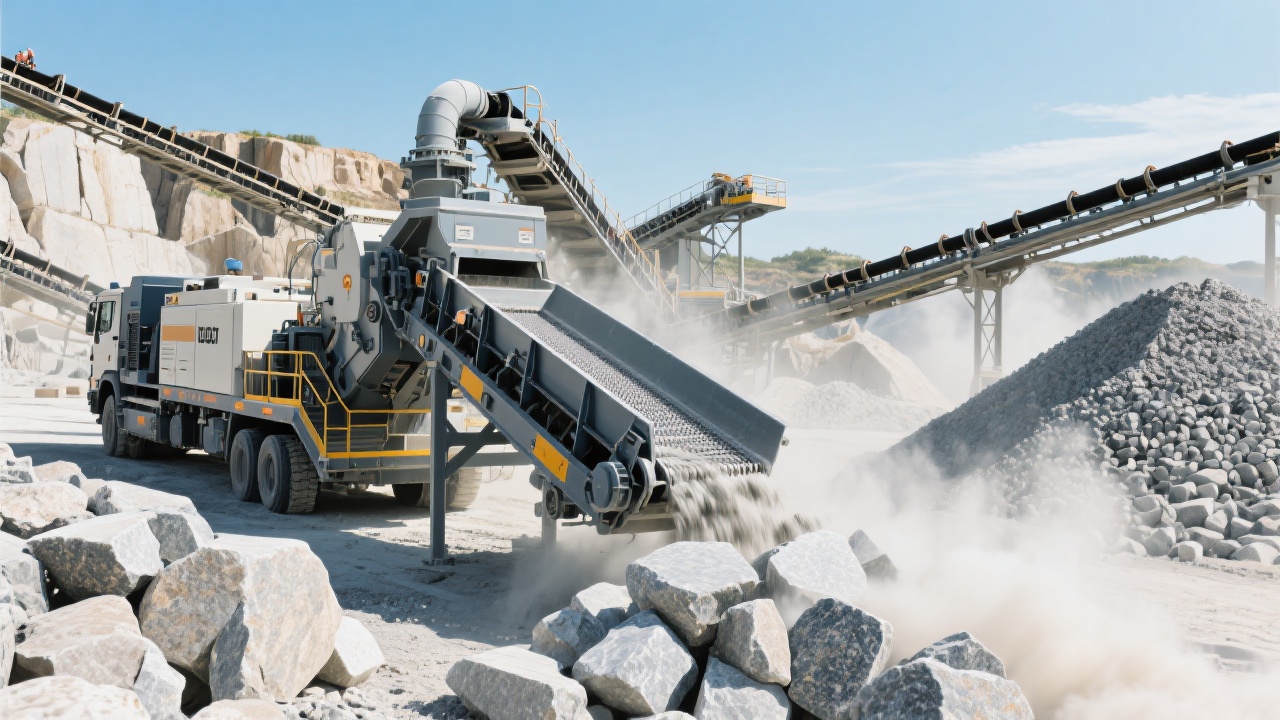
The GF vibrating feeder is engineered as a primary feeding solution where reliability and steady flow matter most: mobile crushing plants, semi-fixed crushing production lines, and compact hopper arrangements. Its practical advantage lies in how it balances strong throughput with controlled feeding—keeping the downstream crusher consistently “in the sweet spot.”
Key performance reference data
Maximum feed size: up to 700 mm
Capacity range: about 280–450 t/h (material-dependent)
Recommended application: primary feeding before jaw or impact crushers
Typical operating target: stable, continuous feed with reduced surging
Where buyers see the value
Higher crushing line stability in mobile setups
Better handling of mixed-size blasted rock
Lower risk of hopper blockage with large lumps
Improved pre-screening to protect the crusher
Stone & Material Flexibility: From Granite to Marble (and More)
Project managers rarely enjoy “single-material purity” on real sites. A primary feeder must work with changing geology, moisture, and gradation. GF vibrating feeder is commonly selected for a wide range of stone types used in aggregates and construction materials, including:
Hard rock
Granite, basalt, river pebble, quartz stone
Medium hardness
Limestone, dolomite, sandstone
Decorative stone
Marble and similar brittle stone types
For decision-makers, this versatility reduces equipment mismatch risk—especially in mobile operations where the same plant may serve multiple sites over its lifecycle.
Why the Vibration Motor Design Matters (More Than Most Specs Sheets Admit)
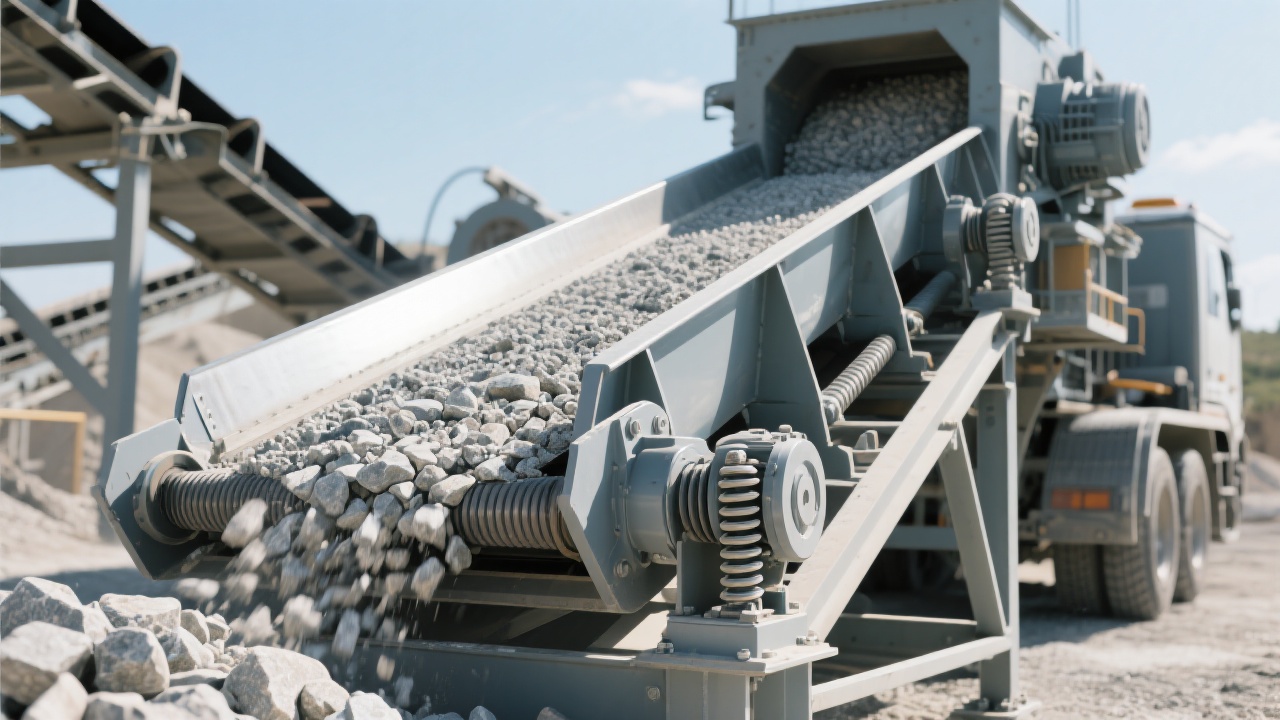
In primary feeding, vibration is not just “movement”—it is the control mechanism that determines how smoothly the crusher is loaded. The GF vibrating feeder uses a vibration motor as its vibration source, a design widely favored in industrial feeding for its balance of stability and controllability.
Better adaptability: supports different material conditions (more fines, more lumps, varying moisture) with practical on-site adjustment.
Lower downtime risk: smoother feeding reduces the chance of sudden blockages and emergency stops.
Maintenance-friendly concept: simplified vibration source typically means fewer complex transmission components to troubleshoot.
Quick Comparison: GF Vibrating Feeder vs. Conventional Primary Feeders
Buyers often ask for a simple way to judge whether upgrading the primary feeder will actually improve output. The table below reflects typical field observations in mobile crushing and semi-fixed quarry lines (actual results vary with material and setup, but the direction is consistent).
Decision Factor
Conventional Feeder (Typical)
GF Vibrating Feeder (Typical)
Feed stability to crusher
Sensitive to lump distribution; surging occurs
More consistent flow for higher utilization
Handling large lumps
Higher bridging risk at hopper throat
Designed for primary duty; supports up to 700 mm feed size
Capacity in primary stage
May not match crusher; becomes bottleneck
Reference range 280–450 t/h for mobile/semi-fixed lines
Pre-screening effect
Limited; more fines enter crusher
Better front-end screening to reduce unnecessary crushing
Customer Story: Productivity Gains from Stabilizing the First Step
In a Southeast Asian granite quarry supplying road base aggregates, the operations team ran a mobile jaw crusher line that repeatedly faced hopper bridging and inconsistent feed. The crusher alternated between overload and empty running, and the crew had to stop the line several times per shift to clear hang-ups.
After adopting a GF vibrating feeder (site-reported outcomes)
Line throughput: increased from roughly 300 t/h to about 360–380 t/h on comparable material (+20–26%).
Unplanned stops: reduced from 6–8 short stops per shift to 1–2.
Wear and housekeeping: less spillage and more stable crusher loading, with noticeable reduction in shock-related maintenance.
These gains came from a simple principle: stabilize the primary feeding stage, and the rest of the plant finally performs close to its design intent.
A Practical Selection Checklist for Your GF Primary Feeder Configuration
For procurement and technical teams, choosing the right primary feeder model is easier when the questions are structured around real operating variables. Before finalizing, it’s worth confirming the following:
Material & capacity inputs
Maximum feed size (target up to 700 mm if applicable)
Bulk density and moisture range
Target capacity window (e.g., 280–450 t/h)
Percentage of fines in the blasted rock
Site & integration factors
Hopper size and discharge opening constraints
Mobile chassis load limits and transport needs
Compatibility with jaw/impact crusher inlet geometry
Local power standard and on-site service conditions




.jpg?x-oss-process=image/resize,m_fill,h_600,w_600/format,webp)











.jpg?x-oss-process=image/resize,m_fill,h_600,w_600/format,webp)
 Facebook